
Leadership Lessons from a Former High School Principal
Tales of Leadership | Episode 19 | Dr. Marck Abraham – Former Principal & Leadership Consultant
Dr. Marck Abraham brings a leadership perspective forged through pressure, conflict, and an unwavering commitment to purpose. As a former high school principal who transformed a failing school into one of the highest-performing environments for young men of color, his journey is not just about success—it is about what it takes to endure the process required to achieve it. Throughout the episode, one thing becomes clear: leadership is not about comfort. It is about conviction. It is about being willing to stand in the fire long enough to create meaningful change.
Dr. Abraham’s story highlights the reality that leadership is often lonelier than people expect. He stepped into a role surrounded by scrutiny, resistance, and public criticism. He faced union opposition, political pressure, and constant uncertainty, all while being expected to produce results with no room for error. That environment forced him to develop something deeper than skill—it forced him to develop belief. When everything around you is uncertain, your belief in the mission must become your anchor. Without that, most leaders retreat back to what is comfortable instead of pushing forward toward what is necessary.
One of the most powerful lessons from this episode is the importance of systems. Dr. Abraham did not succeed because of motivation alone. He succeeded because he built a repeatable, disciplined system that produced results over time. While many leaders rely on energy and inspiration, he relied on structure. That structure allowed him to stay consistent even when emotions were high and opposition was constant. Motivation may get you started, but systems are what carry you through the process. Leaders who fail to build systems often burn out or fall back to old habits when pressure increases.
Another key takeaway is the reality of the “process gap.” Dr. Abraham describes leadership as a journey from starting point to success, but emphasizes that most leaders fail in the middle. The process is where the pressure lives. It is where doubt creeps in, where resistance increases, and where leaders are tested the most. Many people start strong, but when the process becomes difficult, they default back to comfort instead of continuing forward. The difference between average and extraordinary leaders is what they do in the middle of the process. That is where resilience is built and where real leadership is revealed.
Dr. Abraham also reinforces the importance of being unreasonable in leadership. Not unreasonable in ego or arrogance, but unreasonable in commitment to doing what is right. When he walked into a failing school, he did not accept the status quo. He challenged it. He fought for students who had been written off. He created a new standard and refused to back down, even when it made him unpopular. That level of leadership requires courage, because advocating for change often means confronting systems and people who are comfortable with the way things are. Transformational leaders are often misunderstood because they refuse to accept what others tolerate.
Another major lesson is the role of belief in shaping culture. Dr. Abraham shared the story of his football coach who consistently spoke championship into a losing team until they eventually became champions. That same principle carried into his leadership as a principal. He repeatedly reinforced belief in his students and staff until they began to see themselves differently. Over time, that belief turned into action, and that action turned into results. People will rise to the level of belief that leaders consistently reinforce. If leaders speak doubt, they create doubt. If leaders speak belief, they create possibility.
This episode also dives deep into the emotional weight of leadership. Dr. Abraham highlights that leaders often carry burdens that others cannot see or fully understand. They must manage their own insecurities while navigating expectations from above, resistance from within, and pressure from the outside. That is why coaching and mentorship are so critical. Leaders need a space where they can be honest, reflect, and grow without judgment. Leadership is not just about leading others—it is about managing yourself under pressure.
Finally, Dr. Abraham emphasizes that pain is often the greatest teacher. The moments that challenged him the most—the criticism, the resistance, the failures—were the same moments that shaped him into the leader he became. Instead of avoiding those experiences, he used them as fuel for growth. That mindset is what allows leaders to turn adversity into strength. Your greatest leadership lessons will come from your most painful experiences—if you choose to learn from them.
Final Thoughts
Dr. Marck Abraham’s story is a powerful reminder that leadership is not built in comfort—it is built in pressure. His journey shows that success is not about avoiding hardship but about pushing through it with purpose and conviction. He did not succeed because the environment was easy. He succeeded because he refused to quit when it became difficult.
This episode also reinforces a fundamental truth about leadership: belief drives behavior. When leaders consistently reinforce belief in their people, they create environments where growth becomes possible. When leaders fail to do that, they allow doubt to take root. The culture of any organization is a direct reflection of what its leaders consistently believe and reinforce.
Dr. Abraham’s leadership philosophy is rooted in purpose, discipline, and resilience. He understands that leadership is not about personal recognition but about the impact you leave behind. His work continues to focus on helping others navigate the same challenges he faced, shortening their learning curve and helping them avoid the traps that derail many leaders early in their journey.
After Action Review
Are you relying on motivation, or have you built a system that can carry you through difficult leadership moments?
Where in your leadership journey are you defaulting back to comfort instead of pushing through the process?
What belief are you consistently reinforcing in your team—and what results is that belief producing?
Tales of Leadership Mission: To develop Purposeful Accountable Leaders (PAL)
by arming you with the tools required to lead with purpose, integrity, and accountability.
More Exclusive Content


















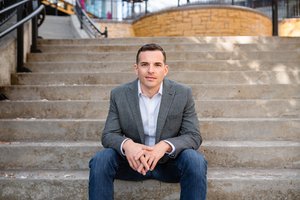
Jason “Buzz” Lewis is a retired U.S. Army Lieutenant Colonel, coach, mentor, and leadership practitioner with more than 26 years of experience developing people and leading organizations. Today, he serves through youth sports, faith-based leadership development, and business consulting while co-founding Home Team Standard alongside his wife, Des. His passion is helping strengthen the homes, teams, and relationships that shape future leaders.