
Article 36 – Demand Accountability
As we continue working through the LEADERS FAIL framework in our series on overcoming failure, we arrive at the next critical principle: Demand Accountability. Leadership is not defined by avoiding mistakes—it is defined by how we respond when mistakes occur. Failure is inevitable for anyone pursuing growth, but the leaders who rise above it are the ones who refuse to ignore it. They confront it directly, learn from it, and use it to improve themselves and their teams.
Accountability takes place after the event, when outcomes do not match expectations. It requires leaders to pause, reflect, and take ownership rather than deflect responsibility. This distinction is critical because there is a clear difference between responsibility and accountability. Responsibility is the duty we carry each day in our roles. Accountability begins the moment something goes wrong and we must answer for it.
Each person on your team—or in your personal life—has responsibilities. I am a father, and that label comes with unique requirements to fulfill daily. I am an officer in the military, and that also presents itself with special requirements. It is my responsibility to perform those duties well. But when I stumble, I transition into the realm of accountability.
Accountability takes place after a mistake occurs. Without it, leaders cannot learn and are doomed to repeat the same cycle. That is the definition of insanity—continuing to take the same action while expecting different results. Purposeful Accountable Leaders (PALs) understand that failure is not something to hide from. When failure strikes, they step forward, take ownership, and develop a new plan of attack. In this article, as we continue through our leadership framework, I will arm you with five additional tools for your arsenal to overcome failure as we work through the acronym LEADERS FAIL.
“Too many people, when they make a mistake, just keep stubbornly plowing ahead and end up repeating the same mistakes. I believe in the motto, ‘Try and try again.’ But the way I read it, it says, ‘Try, then stop and think. Then try again.’”
— William Dean Singleton
Take Ownership
When failure strikes, the best thing to do is embrace it. Do not waste your energy trying to cover it up. Instead, own it as a leader. Organizations that can take ownership are significantly more likely to recover quickly because they focus on solving the problem rather than protecting reputations.
As a cadet battalion commander at Marshall University, I often missed things. That is expected because leadership is a journey, and you are not required to know all the answers. During one field problem, a particular incident taught me the power of taking ownership. After a two-day training cycle at Fort Knox, Kentucky, consisting of land navigation and orienteering, I allowed the 70-plus cadets to stop at a gas station and get Subway.
Picture 70 hungry college students in a tiny gas station trying to get subs. It was chaos. The professor of military science, an active-duty lieutenant colonel at the time, began to lose his mind. What was supposed to be a five-minute stop turned into more than two hours.
Once all the cadets were accounted for, he pulled me aside and told me he wanted the person responsible in his office when we returned to campus. For the rest of the bus ride, I was nervous and thinking through my next move.
When it was time to report, I entered his office and took full responsibility. He asked again who was in charge. I replied: “Sir, I am the leader of this organization, and it was my responsibility. I take full ownership and request punishment, not the cadets.”
The issue was never mentioned again. That small act of accountability calmed the leadership and allowed the team to focus on more critical issues.
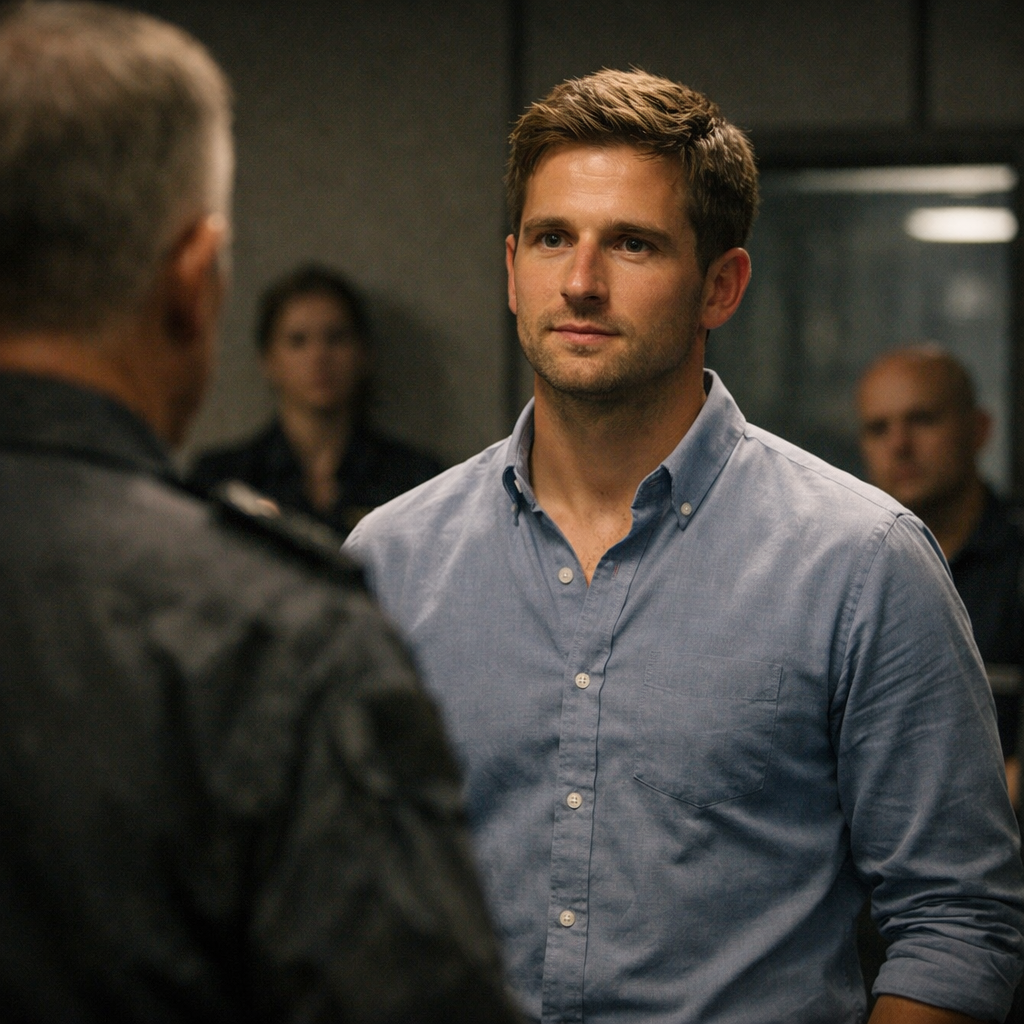
PALs do not deflect responsibility. Instead, they step forward and take ownership when failure strikes.
STOP
In today’s fast-paced world, it is easy to lose sight of why you are doing something in the first place. Why are you pushing yourself into uncomfortable situations? Why are you pursuing a challenge that others avoid?
Modern culture pushes us toward immediate gratification, but growth rarely works that way. If you act blindly without reflection, you may look busy, but you are often wasting energy.
Think of it like a bald tire stuck in the mud. The tire spins quickly and throws dirt everywhere. From the outside, it appears to be moving. But in reality, the tire is digging itself deeper.
Before acting, remember the acronym STOP:
Silence
Tactical Pause
Observe
Pursue
In Ranger School, leaders establish objective rally points (ORPs) before conducting operations. During this phase, most of the force sets security while a small recon element observes the objective. Leaders gather intelligence, identify weaknesses, and develop a deliberate plan before moving forward.
Life works the same way. When failure occurs, do not rush blindly into the next action. Silence the noise, take a tactical pause, observe the environment, and pursue the next move with clarity. PALs understand that accountability requires thoughtful reflection before decisive

PALs understand that accountability requires thoughtful reflection before decisive action.
Control Your Emotions
One of the greatest threats to accountability is uncontrolled emotion. When emotions take over, leaders often react instead of responding. Instead of strengthening the team, their words create division.
As a leader, when a team member messes up—and they will—you must remain calm. Listen intently. Speak truthfully. Emotion has a way of removing the salt from our words. When that happens, our words lose their power and begin to build walls instead of bridges.
While serving as an observer coach trainer at Fort Polk, Louisiana, I witnessed this firsthand. During a summer rotation, a company we were evaluating had been moving for nearly 18 hours in brutal conditions—100-degree heat with 95% humidity. Soldiers began showing early signs of heat exhaustion.
I reported the situation and coordinated to bring an ice truck with water.
A senior noncommissioned officer assigned to the rotation lost his composure. He began yelling at the soldiers for being soft, threw his equipment into the woods, and drove away.
Looking back, I understand the pressure he felt. We were training soldiers for combat, and stress is part of the process. But his lack of emotional control eroded his credibility and resulted in negative counseling.
Leadership demands emotional discipline.
“You are the salt of the earth. But if the salt loses its saltiness, how can it be made salty again?”
— Matthew 5:13

PALs understand that controlling their emotions preserves trust, credibility, and leadership authority.
Call Out Failure
One of the greatest mistakes leaders make is delaying difficult conversations. The longer a problem goes unaddressed, the larger it becomes.
Throughout my military career, I have consistently heard the phrase:
“Bad news does not get better with time.”
When a leader sees an issue, they must act immediately. Every moment they delay addressing the problem weakens their credibility and signals to the team that the standard is negotiable.
Think about a problem you knew existed but chose not to address. Did the problem improve with time?
Or did it grow until someone else forced the issue?
When leaders delay accountability, they unintentionally create a new standard—one that tolerates poor performance.
Act quickly when you see an issue, whether in your personal life or your organization. Start with a powerful question. Questions are one of the fastest ways leaders learn and correct problems without destroying relationships.
Once the problem is identified, call it out directly.
Sixty seconds of courageous leadership can prevent hours—or even months—of wasted effort.
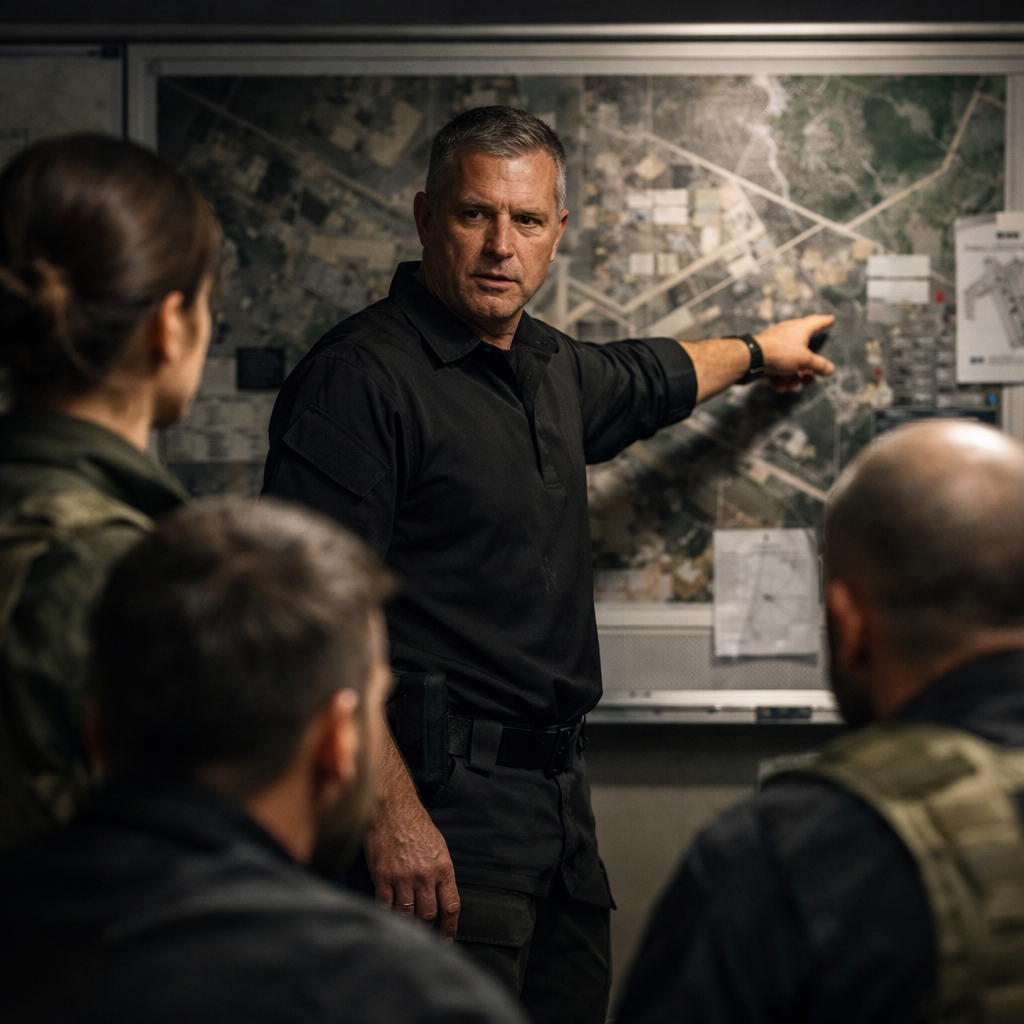
PALs understand that addressing failure quickly allows the organization to learn and move forward.
Surround Yourself With Failures
That’s right. I, Joshua McMillion, want you to surround yourself with failures. The final element of demanding accountability is creating an environment that encourages growth through failure.
We often hear the phrase your network is your net worth. But the deeper truth is that your network influences how boldly you pursue growth. When you surround yourself with individuals willing to fail while chasing meaningful goals, it inspires action. Those individuals become your accountability trees. Trees have deep roots that withstand storms. They provide shade when the environment becomes overwhelming and bear fruit for others in the form of wisdom.
Most importantly, they refuse to allow your excuses to grow.
Dave Ramsey once said:
“The shiny mountain of success is a pile of mistakes you are standing on instead of laying under.”
After losing everything and filing for bankruptcy, Ramsey rebuilt his life and eventually achieved extraordinary success. His story reminds us that failure is not the end—it is often the beginning of wisdom.
PALs intentionally surround themselves with people who value growth, discomfort, and accountability.

PALs intentionally surround themselves with people who value growth, discomfort, and accountability.
Final Thoughts
To combat failure, you are now armed with three powerful tools from the LEADERS FAIL framework.
First, we discussed Leaders Walk the Razor’s Edge, understanding that success and failure often exist side by side. Second, we explored how leaders must Exclude Themselves and Take Inspired Action, removing ego and excuses from the equation. Now we arrive at the third principle: Demand Accountability.
Accountability is the bridge between failure and growth. It begins the moment we stop making excuses and start taking ownership. Leaders who refuse to acknowledge mistakes repeat them. Leaders who pause, reflect, and confront failure grow from it.
Remember the distinction. Responsibility is the duty you carry each day. Accountability begins when things go wrong.
When failure strikes, take ownership. STOP and think before acting. Control your emotions so your words build trust instead of walls. Call out problems quickly before they grow into something larger. And surround yourself with individuals who challenge you to grow.
Some of the most influential people I know have failed countless times. PALs understand that failure itself does not define them. What defines them is how they respond, learn, and move forward with intentional action.
After Action Review (AAR)
1. What does your inner circle look like, and are they truly holding you accountable to your highest standards?
2. Think of a time when you saw a problem but delayed addressing it. What was the outcome?
3. What areas of your life require greater ownership right now?
Tales of Leadership Mission: To develop Purposeful Accountable Leaders by arming you with the tools
required to lead with purpose, integrity, and accountability.
More Exclusive Content





























Jason “Buzz” Lewis is a retired U.S. Army Lieutenant Colonel, coach, mentor, and leadership practitioner with more than 26 years of experience developing people and leading organizations. Today, he serves through youth sports, faith-based leadership development, and business consulting while co-founding Home Team Standard alongside his wife, Des. His passion is helping strengthen the homes, teams, and relationships that shape future leaders.